


Mehrere Jahrzehnte lang wurden die Lagergehäuse von Fördertrommeln mit Labyrinth-Dichtungsmethoden vor der Umwelt geschützt. Obwohl es im Laufe der Jahre immer wieder Variationen gab, verfolgen sie bei der Abdichtung grundsätzlich einen „fettgefüllten, mühsamen Weg“-Ansatz.
DASH Engineering ist ein unparteiischer und unabhängiger Lagerberater mit Sitz in Perth, Westaustralien, der sich auf die Fehleranalyse von Wälzlagern spezialisiert hat. Durch die Durchführung von Hunderten von Untersuchungen zum Ausfall von Fördertrommeln, wobei die meisten Ausfälle auf das Eindringen von Verunreinigungen zurückzuführen sind, hat DASH Engineering bewiesen, dass herkömmliche Dichtungsmethoden und der Industriestandard – „Drei-Barriere-Lösung“ – das Eindringen von Schmutz und Wasser in das Lager nicht wirksam verhindern können Gehäuse. Unabhängige Tests und zahlreiche Fallstudien haben gezeigt, dass Fett eher als Träger für Verunreinigungen denn als Barriere fungiert. Darüber hinaus kompensieren herkömmliche Dichtungsmethoden nicht die Fehlausrichtung und das Spiel, die bei Anwendungen mit Förderbandrollen erforderlich sind.
…“Dies ist eine entscheidende Veränderung im Bergbau“ – Manager-Asset Management

With the overwhelming majority of DASH Engineering failure reports recommending to ‘review sealing methods’, it became evident that there was no other effective method of keeping contamination out of the bearing housing, sparking the development of the SAPO® Seal.
…” savings will be comparable to AutoHaul” – Site-based Project Manager
The Self-Aligning Pressurised Oil (SAPO®) Seal is a patented, engineered sealing solution that will accommodate misalignment requirements without compromising on sealing effectiveness. Furthermore, SAPO® Seals are fully maintainable, monitorable and predictable providing peace of mind to the end user.

In order to effectively maintain positive sealing, the SAPO® Seal is designed to float with respect to the housing as well as remain parallel with the shaft. This unique design allows for articulation to the allowable misalignment limits of spherical roller bearings.
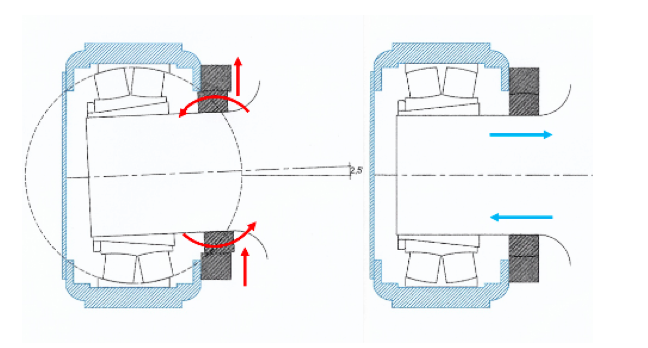
The SAPO® Seal does not rely on grease as a sealing medium. Positive pressure oil is used to ensure the oil seal lips remain lubricated and simultaneously captures fine dust particles. Regular oil sampling and flushing ensures seal performance is monitored and maintained throughout its life.
…” we need to make them all like this” – Fitter-Site Installation Team
Current plummer block sealing methods tend to damage shafts – often damaged beyond repair. SAPO® Seals eliminate this problem with a simple solution. The units are designed to run on wear sleeves to prevent abrasive damage to shafts.


SAPO® Seals are fully maintainable, monitorable and predictable with state-of-the-art intra-bearing housing endoscopic monitoring via the SAPO® Scope. Maintenance personnel are able to visually monitor the housing cavity for contamination ingress and excessive bearing greasing whilst the machine is fully operational. This type of visual monitoring is truly unique in providing peace of mind and removes any doubt in regard to contamination ingress.
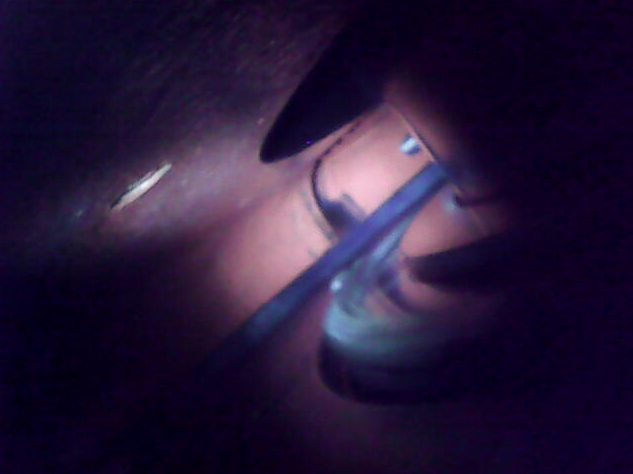
SAPO® Seals can also be used to assist with pulley alignment during installation, reducing set-up time and risk, increasing safety and efficiency. A simple yet effective technique allows for on-the-go visual alignment guidance and final quality assurance checks to remove any doubt during pulley install.
…” most significant benefit will be that we finally have effective, multi-level monitoring of bearing condition as risk mitigation against unplanned failures” – Site Engineer
The implementation of SAPO® Seals have enabled multiple critical pulleys to achieve upwards of two times the previous mean time between failure (MTBF) across Australia’s Pilbara iron ore operations. Case studies on high grade iron ore conveyor systems have resulted in:
increased production
elimination of unplanned downtime
cost savings in the order of tens of millions of dollars

SAPO® Seals allow clients to switch from time-based maintenance techniques to condition-based maintenance methods.
A large 2m diameter pulley weighing approximately 28 tonnes on a system conveying bulk material across the Pilbara was changed out every six months due to repeated rapid

contamination ingress related failures. The site team decided to make the switch to SAPO® Seals and have experienced reliability and predictability to another level.
Bei einer weiteren kritischen Riemenscheibe an einem Schiffsbelader-Fördersystem traten Zuverlässigkeitsprobleme auf, die zu ungeplanten Ausfallzeiten führten, die Hunderttausende Dollar kosteten. Die Riemenscheibe wurde bei nächster Gelegenheit mit SAPO® - Dichtungen ausgestattet und läuft seit der Umstellung zuverlässig.
Die Implementierung von SAPO ® Seals erforderte keine Änderungen an Standard-Lagergehäusen vom Typ „SD“.